

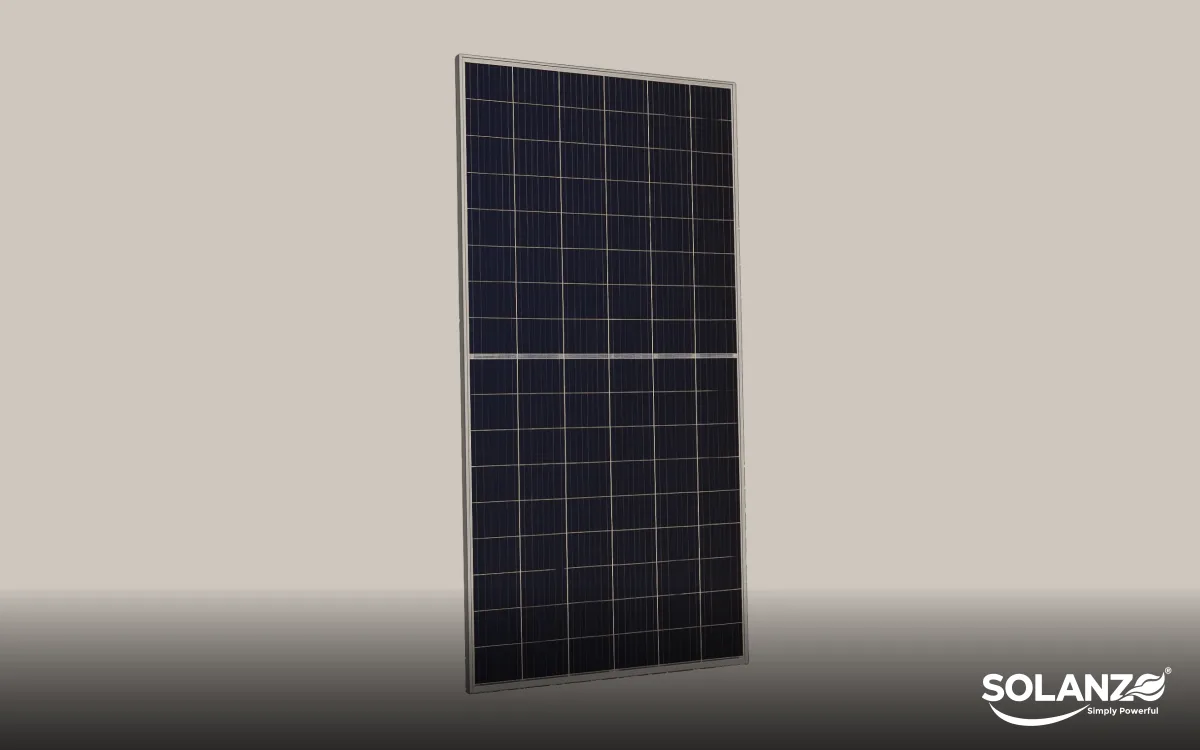
This autumn we commissioned our first hybrid pumping systems: solar arrays sized for the daytime duty, with grid power taking over when the sun cannot. Both sites are agricultural, and both taught us the same lesson.
Hybrid is not about having two power sources. It is about letting each one do what it does well. The solar array carries the cheap, daily, predictable load: filling the storage tank through daylight hours. The grid connection, or in one case a generator, covers the exceptions: a cloudy week in irrigation season, an unexpected night-time demand.
What surprised us
How rarely the backup runs. Once the tank storage was sized honestly, the grid share dropped under ten percent of total pumping in the first season. Customers buy the grid connection for peace of mind and end up barely using it, which is exactly the result we designed for.
Where the grid is weak, this architecture is the practical answer today: solar for the steady work, backup for the exceptions, and a storage tank bridging the two. We expect most of our larger agricultural projects to take this shape over the next few years.