

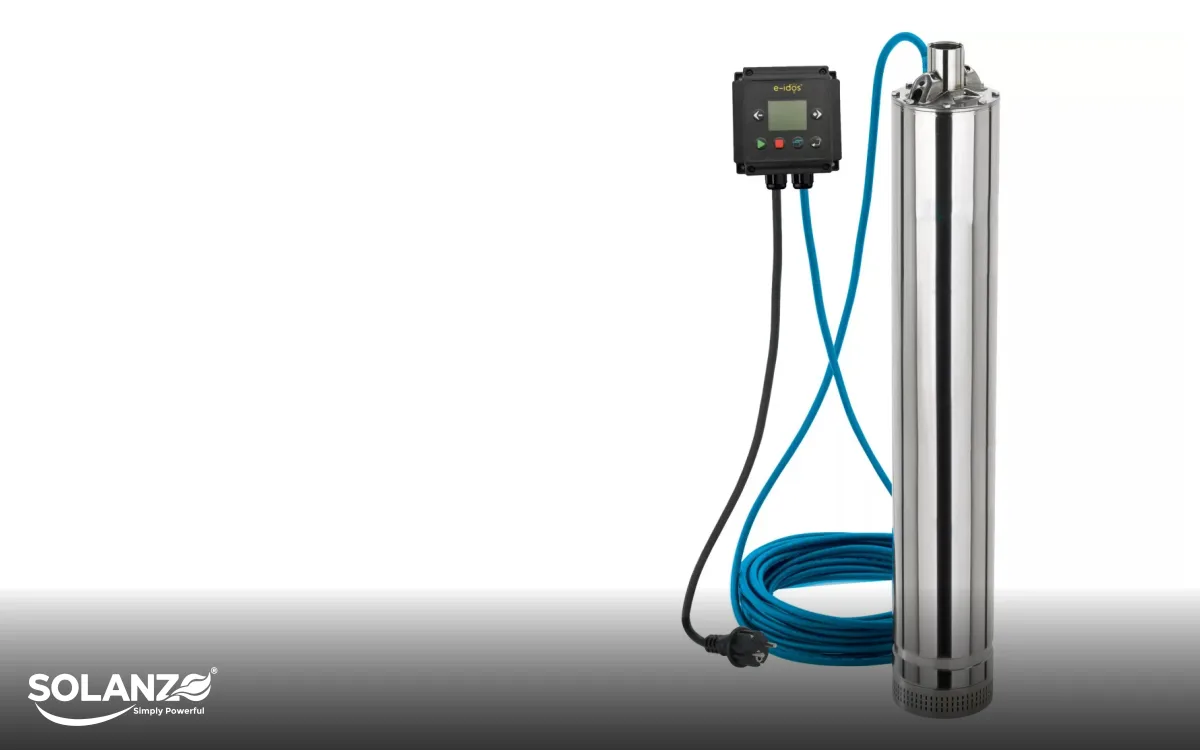
Some wells make clean water; others make water carrying a fine abrasive that no pump enjoys. A submersible in a sandy well is a machine on a countdown, and the difference between three years and fifteen is mostly decisions made before installation.
What sand does inside the pump
Wear rings and stage clearances are engineered in fractions of a millimetre. Quartz particles circulating through them act as a permanent grinding compound: clearances open, internal recirculation grows, and efficiency quietly bleeds away long before the pump actually fails. Thrust bearings take the second hit, carrying axial load in water that doubles as lapping paste.
The responses that work
- Position the intake correctly. Draw from above the well's sediment-producing zone; even a metre of placement changes what enters the pump.
- Choose abrasion-tolerant construction. Wear components in hardened or engineered materials survive fines that destroy standard internals.
- Keep the pump on its curve. A pump forced to run beyond its rated range moves more water than the well gives, which is how wells get pumped down to the sand.
- Plan for service, not miracles. In genuinely sandy wells, a cleanable strainer and a realistic service interval beat any material claim.
Sand problems are usually diagnosed as pump problems two replacements too late. A water test and a proper well survey at the start change the equipment choice, and that choice changes the countdown.