

Ask a utility how much water it loses between the treatment plant and the customer, and the answer in too many networks is a third or more. That gap has a name: non-revenue water. And unlike building new supply, reducing it starts paying back immediately.
Where the water goes
Some is real loss: leaks in mains, service pipes and storage that never surface long enough to be seen. Some is apparent loss: meters that under-register, illegal taps, and estimated bills that quietly drift from the truth. Real loss needs digging crews; apparent loss needs accurate metering. Confusing the two wastes money fixing the wrong problem.
The cheapest leak detector is a number
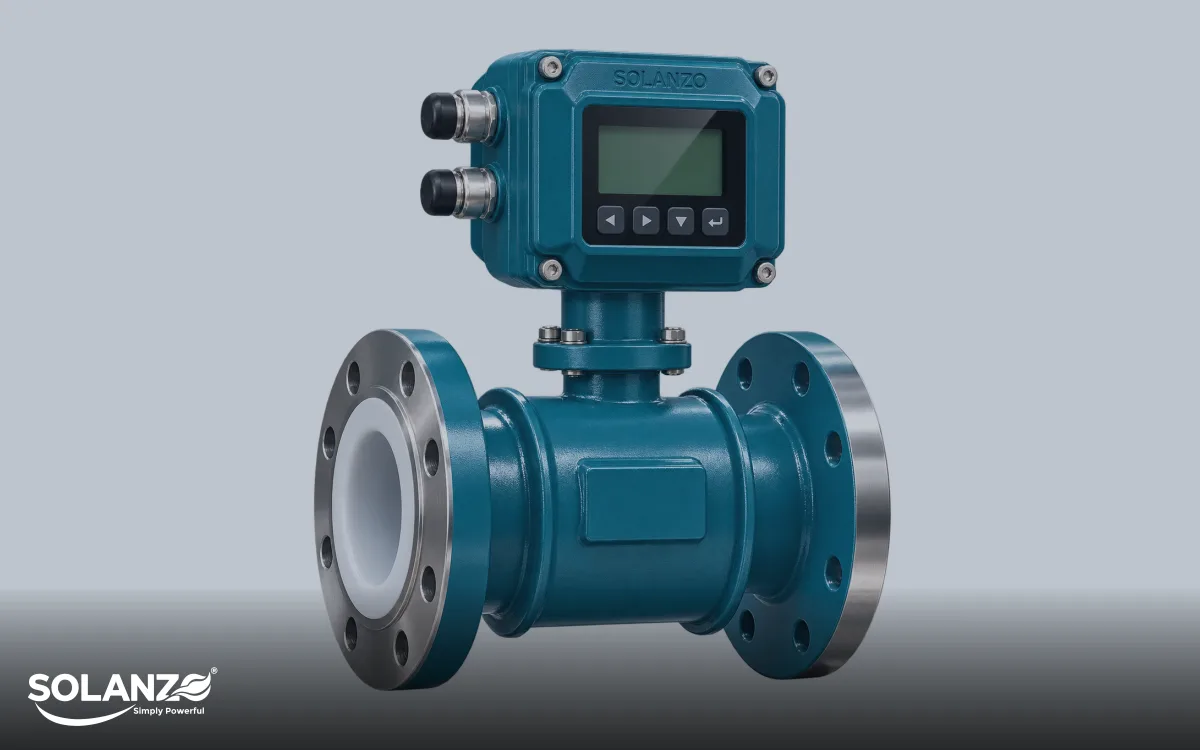
The minimum flow through a district at 3 a.m., when almost nobody draws water, is the closest thing to a leak gauge a utility owns. A baseline night flow that creeps upward is water escaping somewhere under a street. District metering, a bulk meter on each zone, turns that number from a guess into a measurement, which is why so many utilities are wiring their bulk meters for remote reading.
Every cubic metre recovered is a cubic metre that did not need pumping, treating or chlorinating. The cheapest water in any network is the water it already has.