
Pure solar pumping is the right answer for most remote water duty. But there are sites where water cannot wait for a cloudy week: livestock at troughs, a clinic's supply, a mine camp that runs around the clock. For those, the honest architecture is hybrid: solar carries the daily load, and a diesel genset covers the exceptions.
How the duty actually splits
Systems we have commissioned split roughly the same way: the array and pump do 90 percent of the annual work in daylight, and the engine runs a few dozen hours a month, mostly at season peaks and through bad spells. The fuel bill collapses by comparison with diesel-only duty, while the water reliability becomes weather-independent.
Design points that make it work
- Storage still does the smoothing. The tank bridges normal night and cloud; the genset is only for the gaps storage cannot cover.
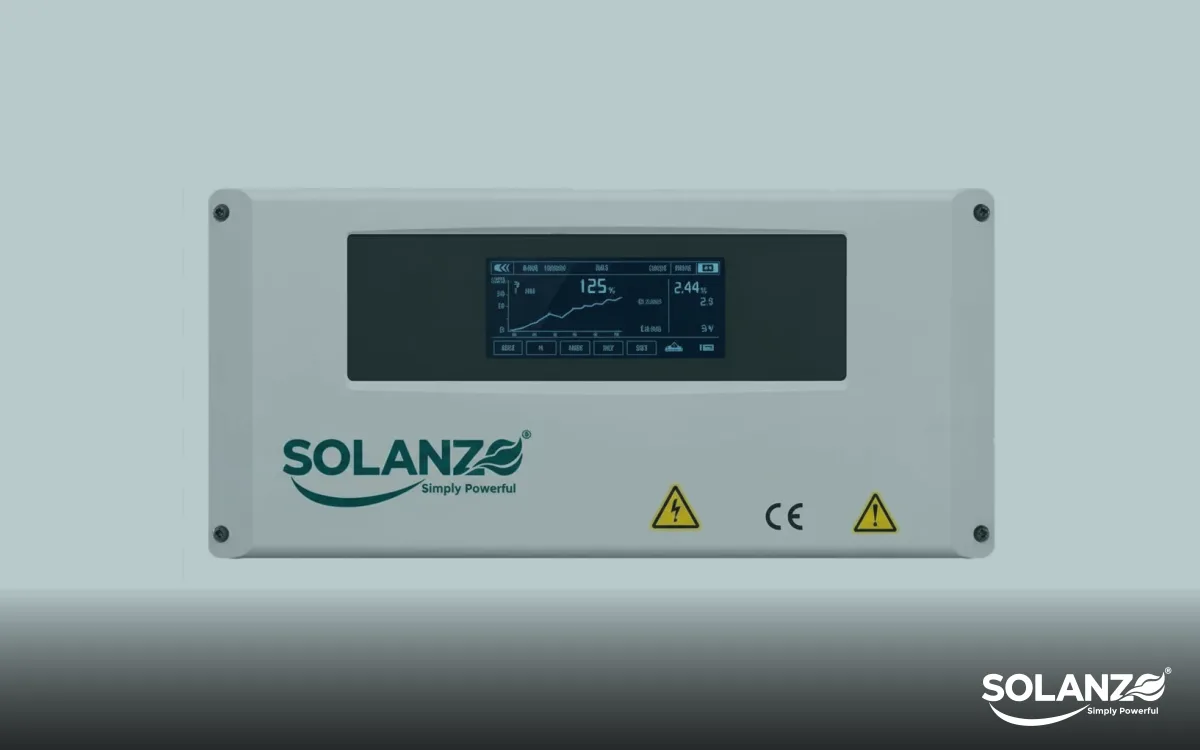
- Automatic changeover. The controller hands off between sources by availability and demand, so the site does not need an operator to babysit the switch.
- Size the engine as backup, not as primary. A genset that only runs occasionally should be sized for efficient part-duty, not for the full pumping peak it will rarely see.
Hybrid is not a compromise that weakens the solar case; it is the design that makes solar viable where water security is non-negotiable. Burn fuel only when you must, and let the sun carry the rest.