

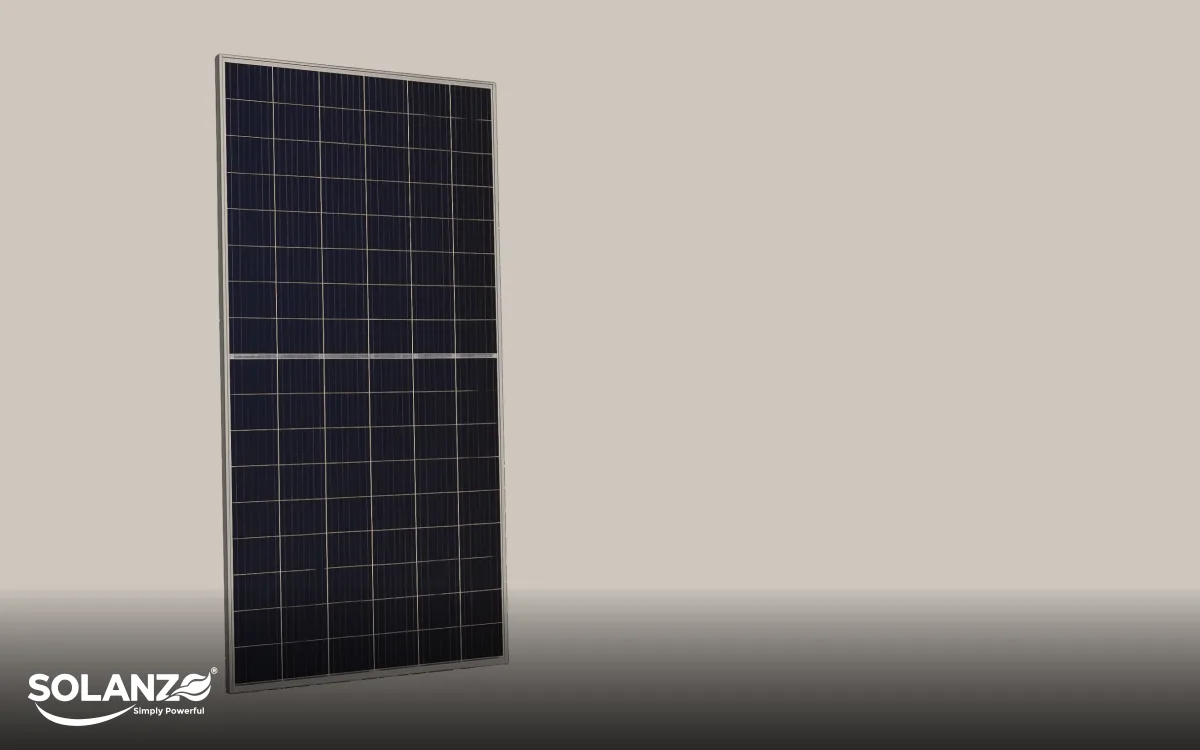
For most of our company's life, remote water meant a diesel pump. It was not a choice so much as a default: the engine was understood, the fuel was available, and the alternatives were not serious. Somewhere in the last five years, without a single dramatic moment, that default inverted.
What changed the balance
Solar modules now cost a fraction of their 2010 price, controllers harvest reliably at the edges of the day, and pumps are efficient enough to work with modest arrays. The result: at almost every remote site we price today, solar wins the ten-year comparison not by a margin but by a multiple.
What diesel never solved
The fuel line. Every diesel pump is tethered to a supply chain that ends wherever the road does. Fuel cost is only the visible part; haulage, storage losses, and the site that runs dry when the delivery is late are the real invoice. A solar array has no supply chain after the day it is installed.
Where diesel still earns its place
Honesty requires the exceptions: emergency and standby duty, seasonal peaks, sites needing night pumping beyond storage, and the shrinking set of places where delivered fuel remains genuinely cheap. Even there, hybrid designs now carry most of the duty on sunlight with the engine held in reserve.
Diesel dominated remote pumping for half a century. Its role going forward is narrower: the backup, not the engine. That is a better outcome for everyone except the fuel supplier.