

Dust on a working site is a compliance problem before it is a comfort problem. Roads, crushing lines and demolition faces all need wetting down, and the equipment that delivers it has to survive water quality that would offend a garden hose.
Droplet size decides the pressure
Dust suppression works when droplets match the dust: too fine and the mist drifts away without wetting anything, too coarse and the water mostly splashes. Cannon and spray-bar systems typically run at a few bar through nozzles chosen for the droplet, which means the pump's job is steady pressure at high flow rather than high pressure.
The pump sees the worst water on site
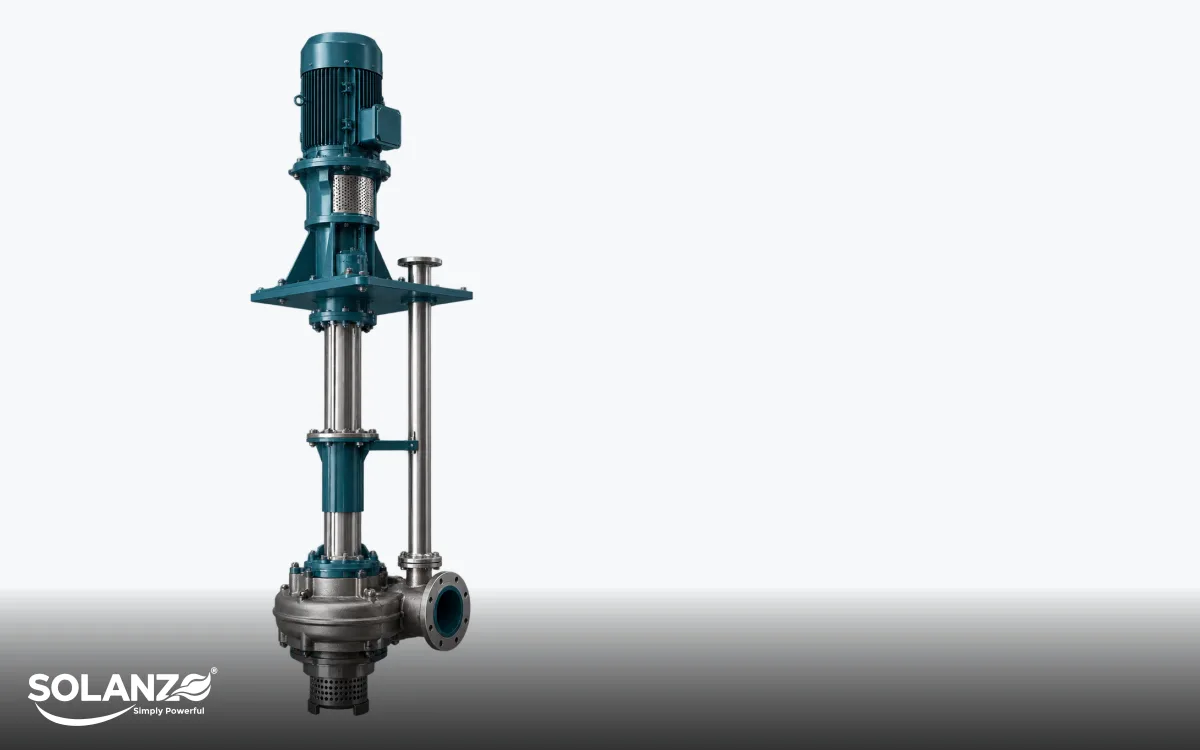
Settling-tank water and recycled washdown carry silt and fines, so the unit doing this duty should be selected for solids handling and wear tolerance, not efficiency elegance. Self-priming surface pumps earn their keep here: they tolerate dirty water, reprime after the tank runs low, and are easy to move as the work face migrates.
Recycling is standard practice now
With wheel-wash and settlement lagoons on most large sites, the sustainable configuration is a loop: settle the silt out, pump the clarified water back to the suppression and washdown points. The settling system protects the environment; the pump specification protects the loop. Sites that treat water as disposable increasingly find the regulator disagrees.