

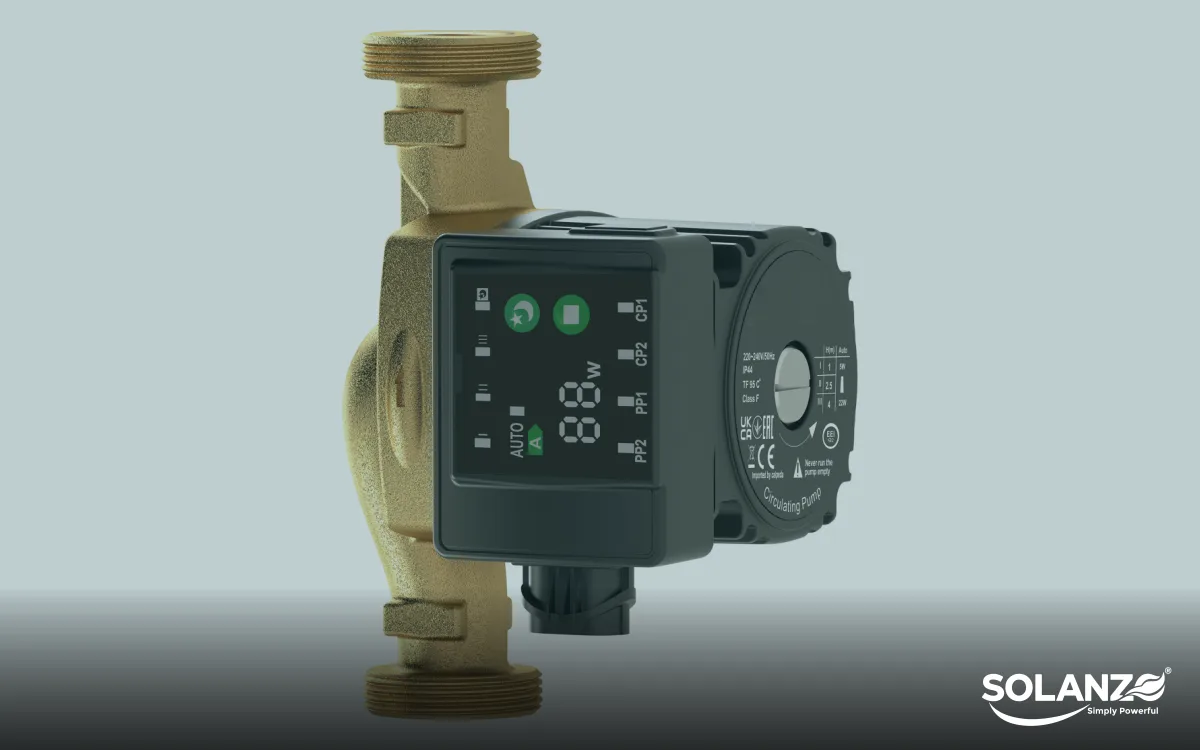
Of all the ways to kill a pump, running it dry is the fastest and the most preventable. A submersible relies on the water around it for cooling; without flow, the motor overheats in minutes. A mechanical seal depends on a film of water between its faces; dry, it scores in seconds. Yet a remarkable number of installations still run with no protection at all.
What protection looks like
- Float switches in tanks and sumps: simple, cheap, proven. The pump stops when the level drops.
- Level probes in boreholes where a float cannot swing: electrodes sense water presence in the well itself.
- Pressure or flow switches on booster sets: no demand and no flow means stop, regardless of the level.
- Electronic controllers that watch current draw: a pump sucking air pulls less current than one moving water, and smart controllers notice.
The economics are absurd
A float switch costs less than a service callout. Dry-run electronics cost less than a seal kit plus labour. Either costs a rounding error compared to a burned submersible hauled out of a 60-metre borehole. We fit protection on our own systems as standard not because it is generous, but because the alternative is indefensible.
If your pump can conceivably run dry, protect it. The well will forgive almost everything except that one mistake.